
Bringing home a newly adopted pug is exciting!
A little preparation ahead of time can make those first few days easier for both you and your new family member.
Start with the basics, give your new dog some time to settle in, and then you'll have a much better idea of what they actually like and need.
Here are the supplies we recommend having ready before your pug comes home:
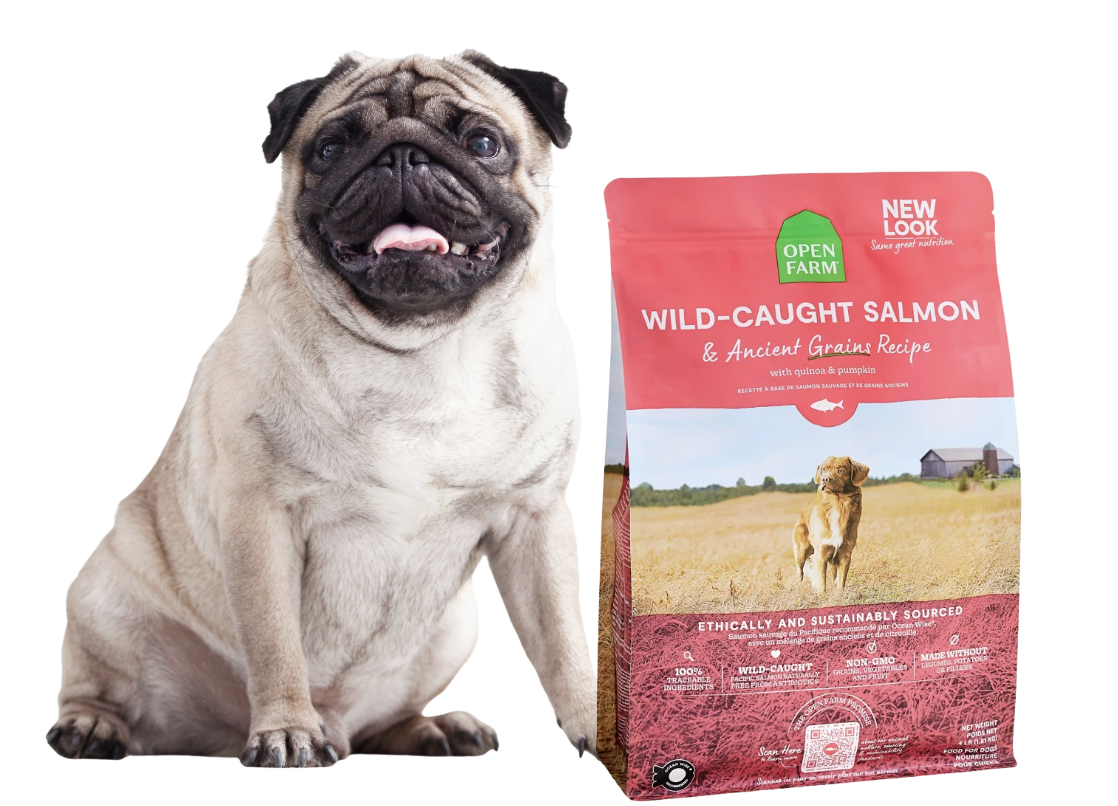
Your pup’s foster will let you know what food they’re eating, how much, and how often. Be sure to find out what will be sent home with you so you'll be prepared.
If you plan to change foods, make the transition slowly to help avoid upset tummies.
Pugs can be prone to food sensitivities, so we often reach for salmon-based options.
Two foods we commonly use in rescue are Zignature Salmon and Open Farm Ancient Grains Salmon.
Not sure about grain-free vs. grain-inclusive? Your veterinarian is the best resource for choosing the right long-term diet for your pup.
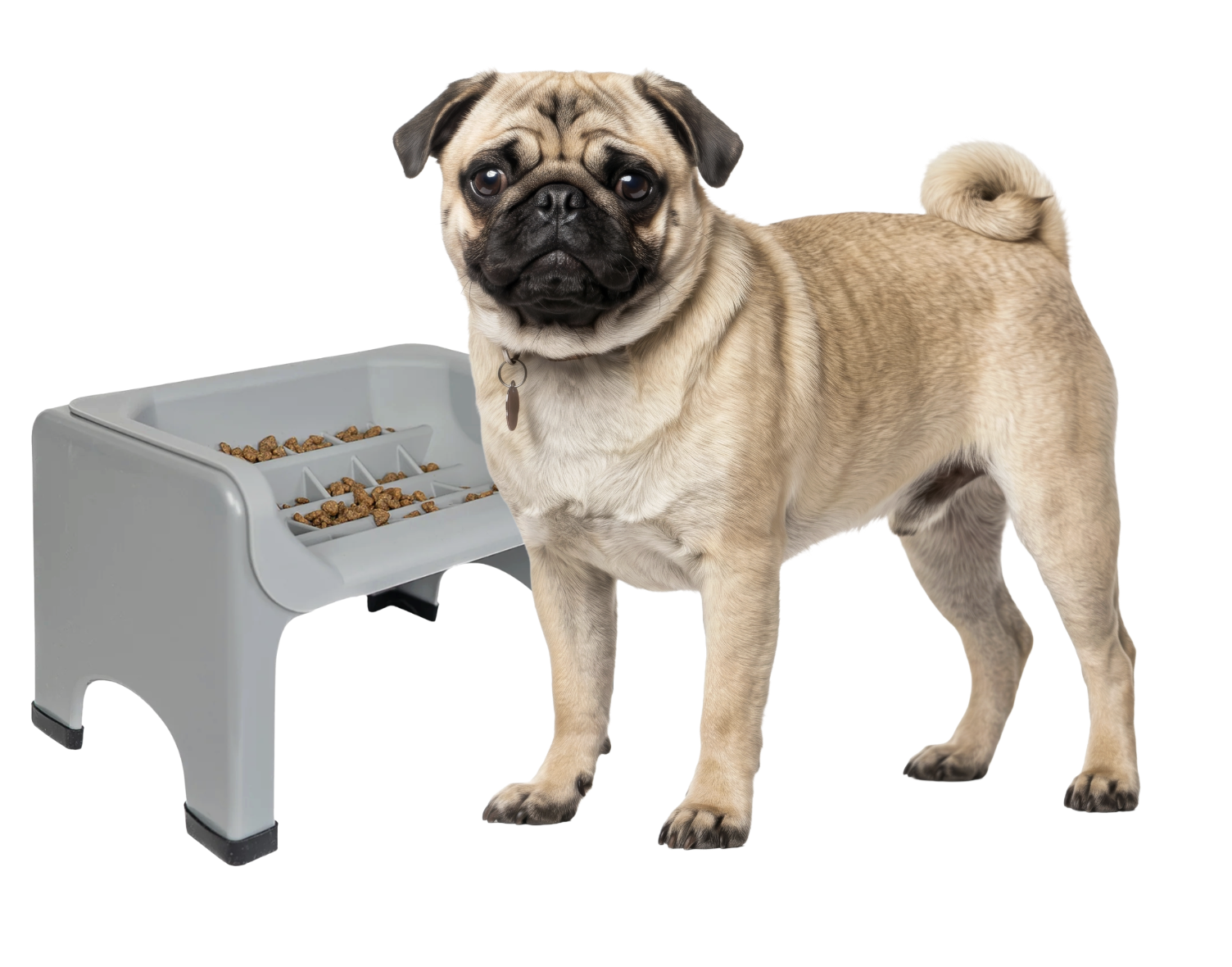
If there’s one feeding dish we love for pugs, it’s the Fluff Trough!
Designed with flat-faced dogs in mind, its elevated, open design makes it easier for pugs to comfortably reach their food without having to smoosh their adorable faces into a traditional bowl.
If you use this link - 10% off your order when you use our code and 10% gets donated to Evergreen Pug Rescue!

Treats are one of the fastest ways to a pug’s heart! For a pug who may be nervous, unsure, or simply getting acquainted with their new family, treats can be a great way to start building trust and creating positive associations.
Keep a few tasty treats handy during those first days home. Reward them for coming to you, exploring their new space, going potty outside, or simply being brave.
Here are a few of our favorite treats!


Pugs are adorable - and have some specific needs!
There are a few things we think every pug household should have within arm’s reach from day 1.
Wrinkle Wipes — Wrinkles need regular cleaning, but the secret is keeping those folds dry afterward.
Ear Cleaner — Pug ears have a special talent for getting gross. A little routine maintenance can go a long way.
Zymox — This is one we ALWAYS keep in the rescue cabinet. Catching mild ear trouble early can sometimes help keep it from becoming a full-blown, five-alarm ear situation that needs veterinary attention.
Nose Butter - It'll be required some day...
And the nails? Just go to the groomer!
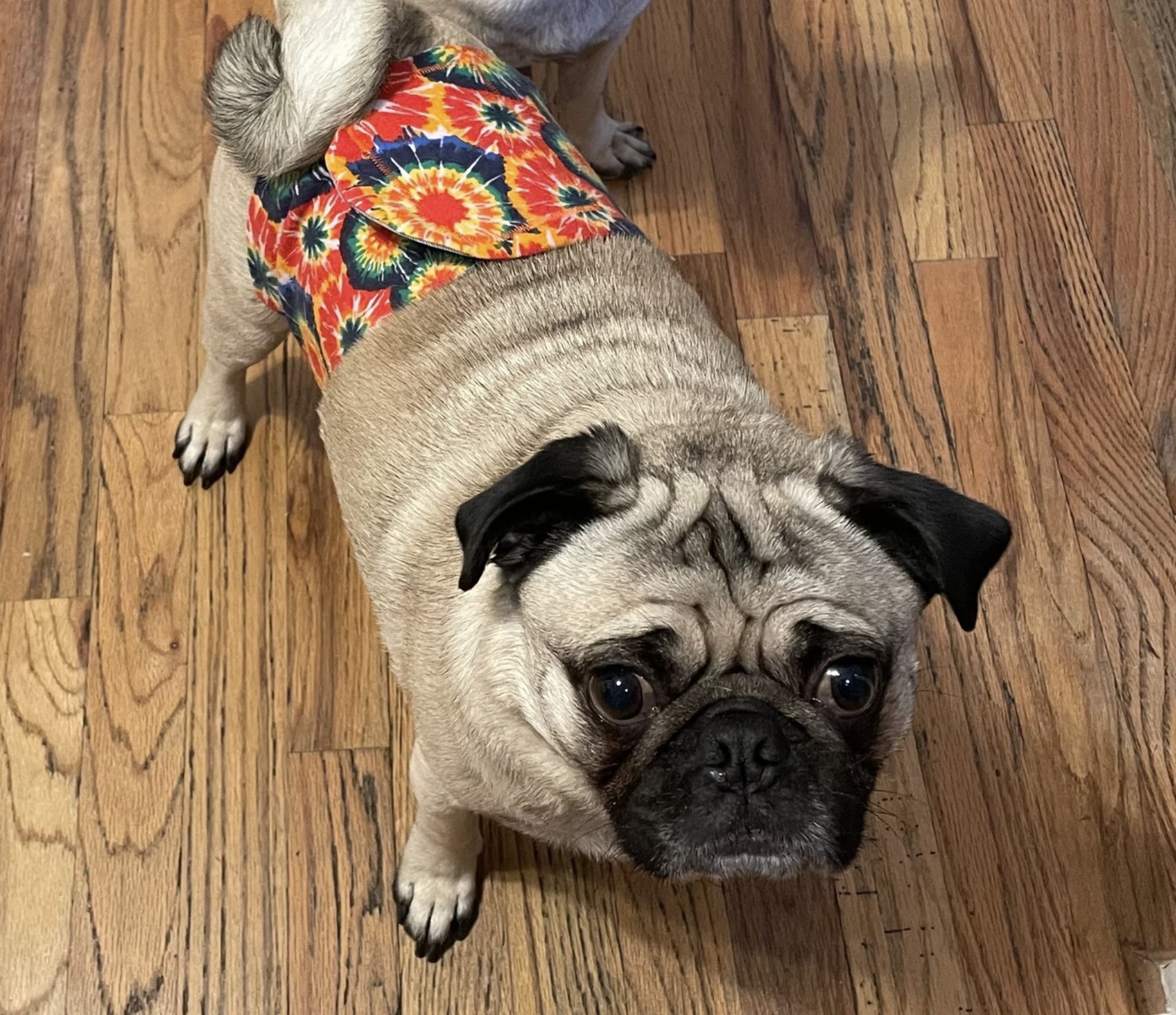
Even a house-trained pug may have accidents while adjusting to a new environment, routine, and smells.
Belly bands on boy dogs can be an absolute lifesaver during those first few days (or weeks!) at home. They’re especially handy for marking and can save your floors, furniture—and your sanity—while everyone gets settled.
A few important reminders:
Used properly, belly bands can make the transition into a new home a whole lot smoother!
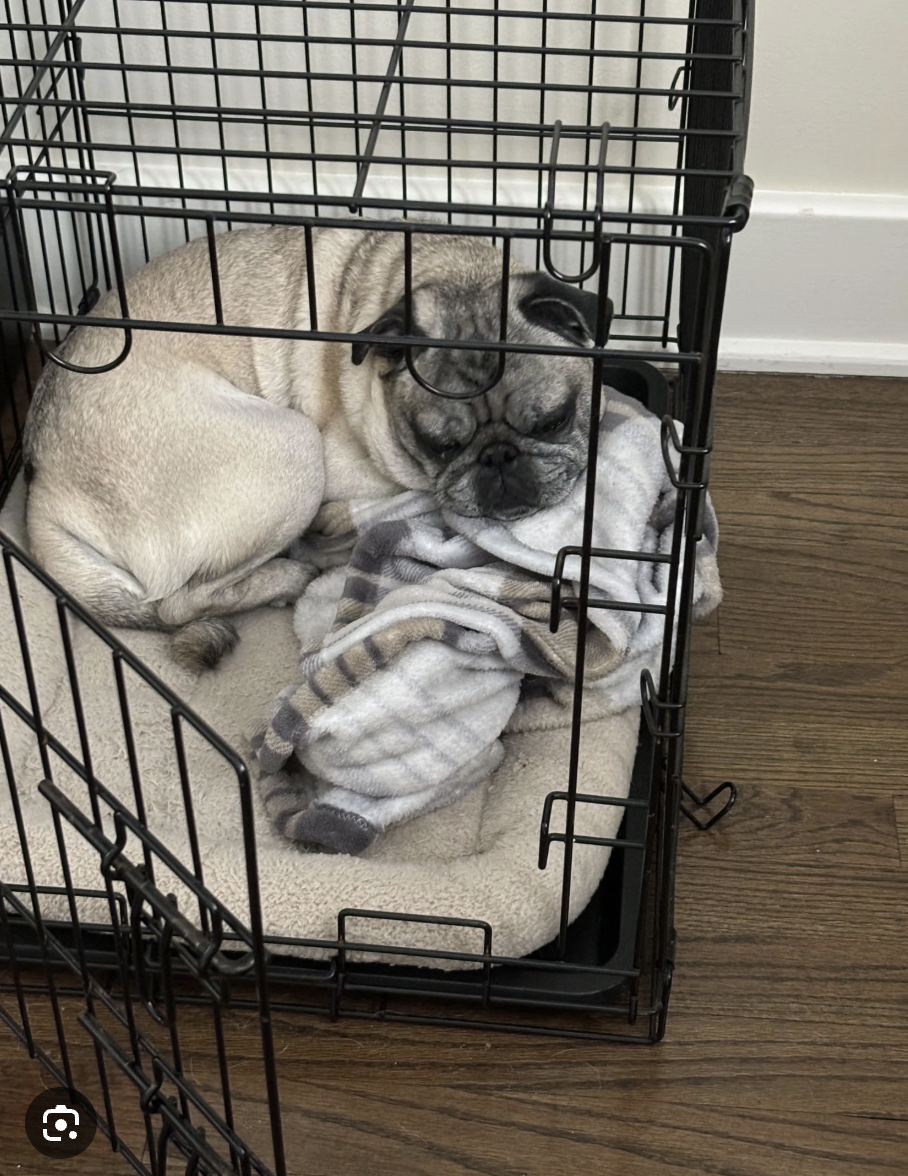
Pugs are Velcro dogs. They want to be with their people, be part of the family, and—given the choice—many would happily sleep snuggled up right next to you.
We don't believe a crate should be where a pug spends much of their life. Some rescue dogs love their crates and find them comforting, while others have histories that make crates difficult for them and other means are necessary when leaving at home unattended.
Talk with your foster and understand what works for your individual pug.
That said, ideally, every pug should be comfortable with a crate. Emergencies, travel, veterinary stays, and recovery after surgery can all make crating necessary. Positive crate conditioning is an important life skill.
Follow your pug's lead, keep it positive, and never use a crate as punishment.
If you don't already have a crate, we highly recommend THIS ONE.
Some links on this page are affiliate links, which means Evergreen Pug Rescue may receive a small commission when you shop through them—at no extra cost to you. You get the pug goodies, and the rescue gets a little something back. Win-win!