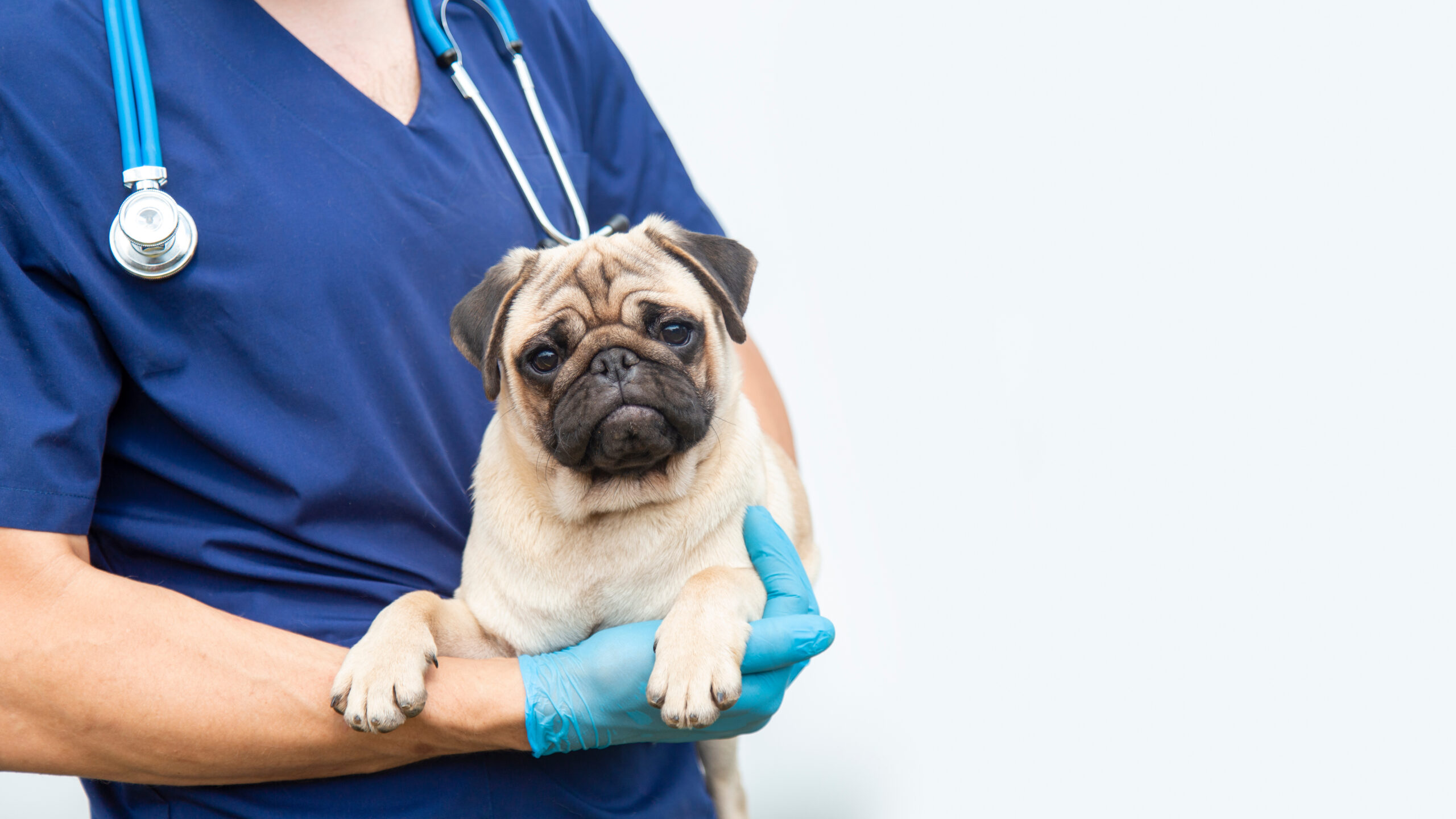
Pugs are pretty special little creatures—and they come with a few maintenance requirements of their own! From wrinkles and ears to teeth, nails, diet, and yes... even their behinds, staying on top of routine care can make a big difference.
The most important thing to remember: there is no one-size-fits-all pug care schedule. We highly recommend talking with your veterinarian about what is appropriate for your individual pug.
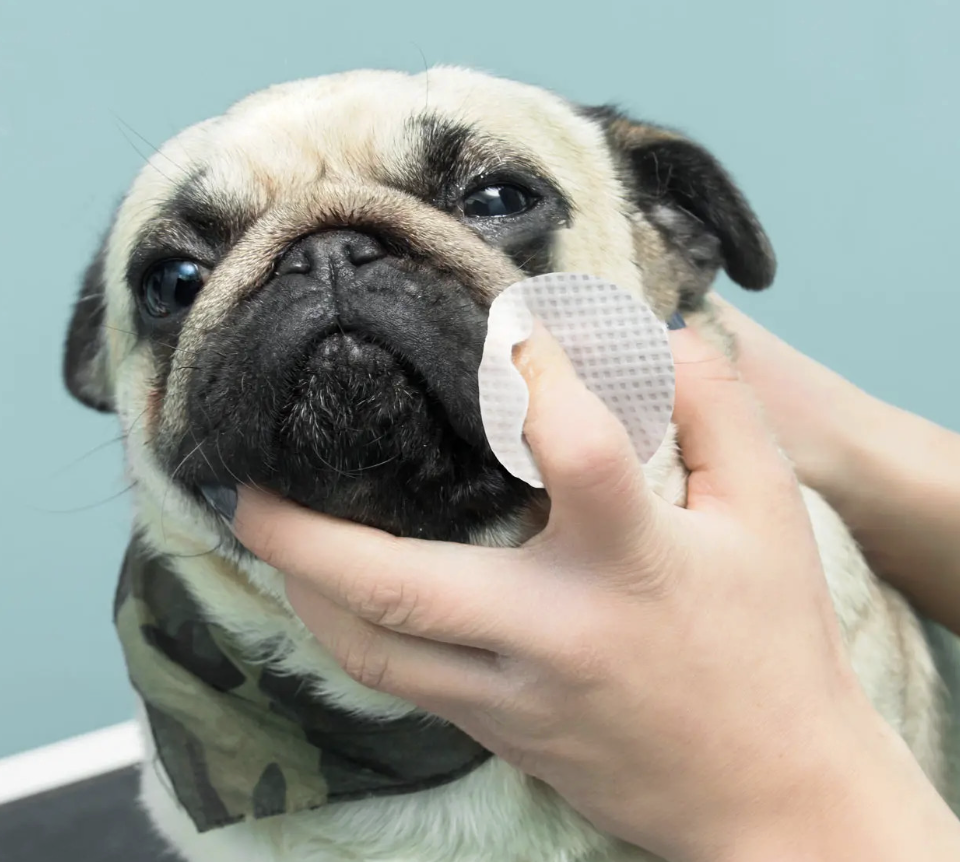
Those adorable wrinkles need to be checked regularly, but how often they actually need cleaning varies tremendously.
Some pugs may need their wrinkles cleaned daily, while others may only need a wipe once a week or so. More isn't necessarily better—the goal is to figure out what keeps your pug's skin healthy. Watch for moisture, redness, odor, discharge, or irritation, and always make sure the folds are thoroughly dry after cleaning.
There are lots of wipes to chose from so it can take some trial and error but these are always good ones:
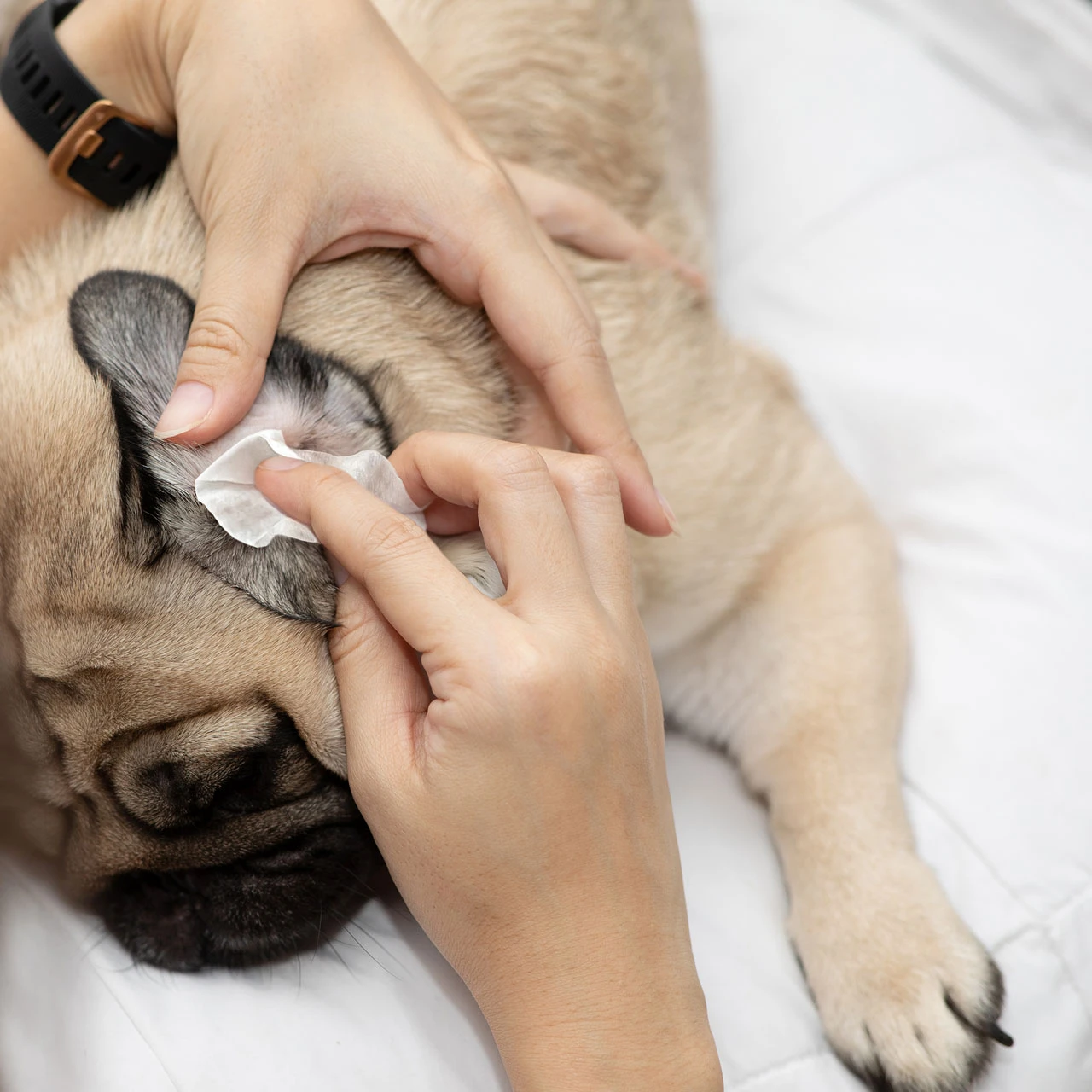
Get into the habit of taking a peek inside those little folded ears! Some pugs rarely need their ears cleaned, while others are prone to buildup and need much more frequent attention. Your veterinarian can recommend whether routine cleaning is necessary, how often to do it, and which product is appropriate.
For routine cleaning, use a dog-safe ear cleaner, gently massage the base of the ear, then let your pug shake it out. Wipe away what comes to the surface with a cotton pad or soft cloth—never stick anything down into the ear canal.
Our rescue-favorite ear cleaners are:
Redness, odor, excessive debris, discharge, scratching, or frequent head shaking are all reasons to check in with your vet.
If you are ever fighting something, Zymox Otic Ear Solution is amazing and can often kick an infection that's caught early. Don't replace it for veterinary care however.
There’s no perfect bathing schedule for every pug—skin, lifestyle, allergies, and medical needs can all make a difference. When you do bathe, be sure to thoroughly dry those wrinkles and skin folds.
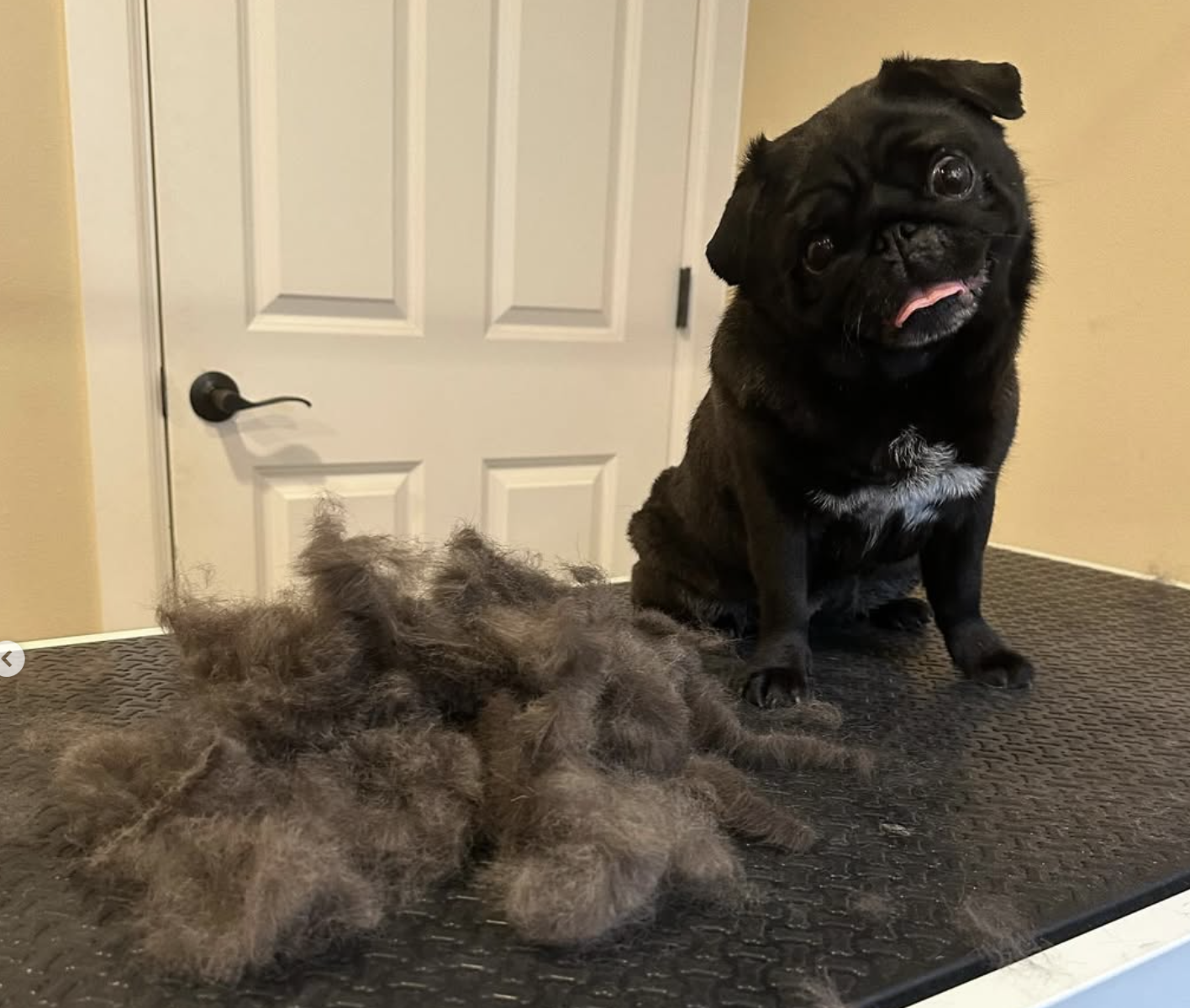
And don’t let that short coat fool you—pugs are serious shed monsters. Regular brushing helps remove loose undercoat and keeps at least some of that pug glitter off your clothes and furniture.
Our favorite is the Andis Deshedding Rake. You really do get what you pay for when it comes to brushes, and this one somehow unearths an unbelievable amount of hidden pug fur while still being gentle and comfortable when used properly. You may wonder how that much fur was hiding in one little pug!
It may cost a little more than some brushes, but this is one we think is absolutely worth it.
Don't forget those little pug feet!
Nails should be checked regularly and kept at a comfortable length. Overgrown nails aren't just cosmetic—they can affect your pug's comfort, traction, and the way they walk.
And don't forget the dewclaws! Because they don't make contact with the ground like the other nails, they don't naturally wear down.
If nail trims turn into a full pug wrestling match, there's nothing wrong with letting your veterinarian or groomer handle them.
Pugs are remarkably good at convincing humans that they are absolutely starving. Don't fall for it. 
These adorable little potatoes can turn into plump potatoes surprisingly quickly, so staying on top of diet, portions, and weight is an important part of pug care.
Talk with your veterinarian about the appropriate food, daily amount, and ideal body condition for your pug. And remember that treats, chews, table scraps (please no table scraps), and "just one little bite" all count toward their daily intake.
We also recommend considering a pug-friendly elevated feeder, such as a Fluff Trough. Many pugs may also benefit from a slow-feeder insert—especially those who believe dinner is a competitive sport.
Yes, regular dentals are a thing with pugs!
Pugs have a lot of teeth packed into a very small mouth. Crowding can make them more susceptible to plaque and tartar buildup and periodontal disease.
Have your veterinarian check your pug's teeth and gums regularly. Many pugs will need professional dental cleanings during their lifetime, and some will need them more frequently than others.
Home dental care can help, too. Brushing with dog-safe toothpaste is a great option when your pug will cooperate. Your veterinarian can recommend other options if brushing isn't realistic.
And don't automatically dismiss bad breath as "pug breath." Heavy tartar, red or bleeding gums, loose teeth, difficulty chewing, dropping food, pawing at the mouth, or a noticeable change in breath deserve attention.
Yep, anal glands can be a pug thing, too.
But just like wrinkles, ears, and everything else on this list, this is very pug-dependent. Some pugs may rarely have an issue, while others need a little more help keeping things comfortable back there.
One of the classic signs?
If you see them scoot their boot... to the groomer or vet they go! 
Scooting, licking or paying unusual attention to their rear end, a strong fishy odor, swelling, or obvious discomfort can all be signs that something needs attention.
Your veterinarian can help determine whether your pug needs their anal glands expressed and how often—if at all. There's no reason to put every pug on a routine expression schedule simply because they're a pug.
One of the best things you can do is simply get to know what's normal for your pug.
Look at the wrinkles. Peek in the ears. Check the nails. Watch their weight. Pay attention to their skin and coat. Look at those teeth. And, occasionally, keep an eye on that little curly-tailed backside.
Routine care isn't only about keeping your pug clean—it gives you regular opportunities to notice when something has changed.
Your pug is an individual. Their care should be, too. Work with your veterinarian to create a routine that keeps your little potato healthy, comfortable, and feeling their best. 

Some links on this page are affiliate links, which means Evergreen Pug Rescue may receive a small commission when you shop through them—at no extra cost to you. You get the pug goodies, and the rescue gets a little something back. Win-win!